

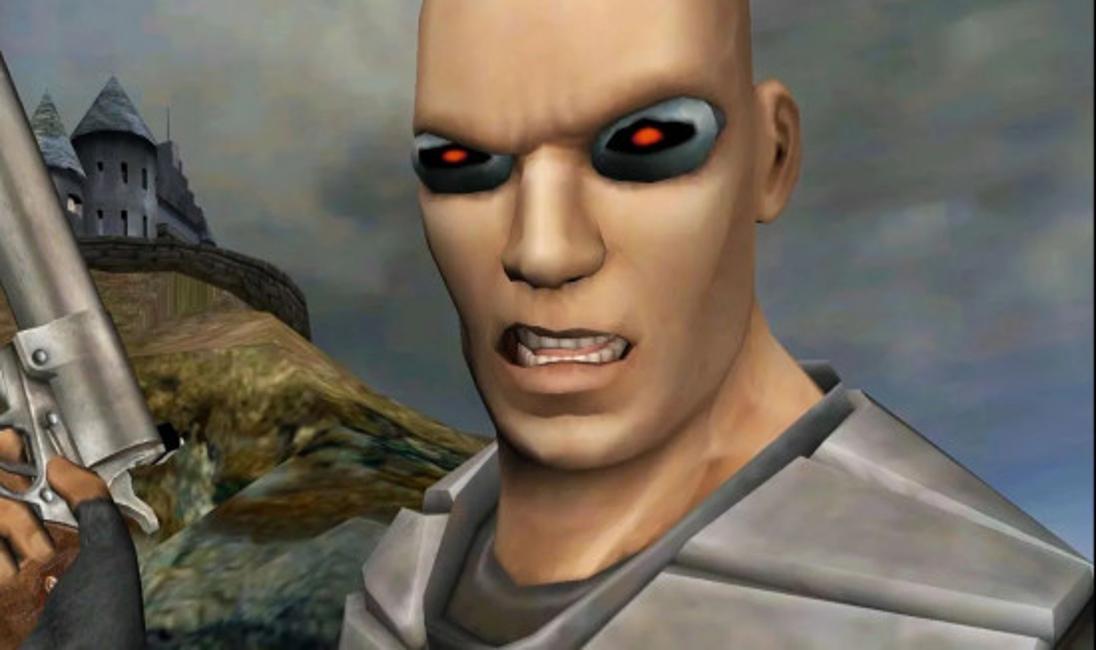
Okay, so, Goldeneye and Timesplitters, right? Those games practically defined my childhood. Hours sunk into multiplayer mayhem, screaming at the screen, the whole shebang. The fact that some of the original talent behind those legends are now cooking up a roguelike? My brain nearly short-circuited.
Roguelikes… they're not exactly known for their accessibility, are they? I mean, traditionally, we're talking punishing difficulty, permadeath, procedurally generated levels that laugh in the face of your best-laid plans. Think Spelunky but with, potentially, more pixelated suffering. But here's the thing: the idea of blending that core roguelike loop with the design sensibilities of Goldeneye and Timesplitters? That's…intriguing. Seriously. It feels like pouring gasoline on a bonfire and then adding a disco ball.
What Makes This Roguelike So Different?
Let's be real. We've seen a lot of roguelikes. So what could this dev team possibly bring to the table that we haven't seen before? Well, for one, the pedigree. These aren't just any developers; they're folks who understand tight controls, satisfying gunplay, and, crucially, how to create a sense of fun. That last part is key. Many roguelikes get so bogged down in difficulty and complexity that they forget to be, well, enjoyable. They should be taking notes from games on Poki, the simplicity is nice to emulate.
And I think – I hope – that’s what we're going to see here. A roguelike that respects your time, rewards experimentation, and doesn't make you want to throw your controller through the television after the tenth consecutive death (though, admittedly, that's part of the charm for some of us).
Goldeneye Meets Permadeath: A Crazy Idea?
You might be wondering how this even works. Goldeneye and Timesplitters are known for carefully crafted levels, memorable set pieces, and, in the case of Goldeneye, a surprisingly engaging story (for a Bond game, anyway). Roguelikes, on the other hand, are all about randomness. Procedural generation is the lifeblood. So, how do you reconcile those two seemingly contradictory design philosophies?
That’s the million-dollar question, isn't it? My guess? It’s all in the execution. Perhaps they're focusing on enemy AI that feels reminiscent of those classic games. Maybe they're incorporating weapon mechanics that are instantly familiar. Or perhaps it's the level design itself – creating environments that feel procedurally generated but still have that distinct Goldeneye/Timesplitters flavor.
Actually, that's not quite right. I think the key is in understanding the core appeal of both genres. Goldeneye and Timesplitters were about player agency – about feeling like you had control over the situation, even when things got chaotic. Roguelikes are about embracing the chaos, learning from your mistakes, and adapting to the unexpected. Blend those two concepts together, and you might just have something truly special.
The Future of the Roguelike Genre?
Look, I'm not going to sit here and say this new project is going to revolutionize the entire roguelike genre. That’s a bold claim, and, frankly, I'm not sure any single game can achieve that. But what it could do is bring a fresh perspective to a genre that, let's face it, can sometimes feel a little…stale. Roguelikes have, since their inception, been one of gaming's most difficult nuts to crack. They are hard. But this is an amazing new avenue for the genre.
I've got to admit, this part fascinates me. The idea of taking the core roguelike formula and injecting it with the personality and design sensibilities of two of the most iconic shooters of all time? That’s a recipe for either disaster or brilliance. There’s no in-between. And honestly, I'm betting on brilliance. Maybe I'm blinded by nostalgia. Maybe I'm just a sucker for a good underdog story. But something about this project feels…different. It feels like a game that's being made with genuine passion, with a desire to push the boundaries of what a roguelike can be. Time will tell, of course. But for now? I'm cautiously optimistic. And maybe a little bit giddy.
And, speaking of time... I keep coming back to this because it's crucial. We're in an era where indie developers are consistently delivering experiences that rival, and often surpass, the AAA giants. The roguelike genre, in particular, has been a hotbed of innovation, with games like Hades and Dead Cells proving that you can create a compelling, accessible, and deeply rewarding experience without sacrificing the core tenets of the genre.
The frustrating thing about this topic is… we don’t know what it looks like. There’s no footage of the game. There’s very little known about it. All we know is who’s working on it, and the broad strokes of what they are attempting to create.
FAQ: Your Roguelike Questions Answered
What is a roguelike, exactly?
Okay, fair question! At its heart, a roguelike is a type of game characterized by permadeath (if you die, you start all over), procedurally generated levels (the world is different every time), and a heavy emphasis on strategic decision-making. Think chess, but with goblins and exploding barrels. Wikipedia breaks down the specifics nicely. Often (but not always) pixelated, and always challenging!
How hard are roguelikes, really?
Brutally hard. Let me rephrase that: delightfully brutally hard. But that's part of the appeal! It's not about memorizing patterns or executing perfect strategies. It's about adapting to the unexpected, learning from your mistakes, and slowly but surely improving your skills. Prepare to die… a lot. But each death is a lesson learned.
Why are roguelikes so popular?
That’s a great question. It’s the challenge! We're wired to learn and improve, and roguelikes provide a constant stream of opportunities to do just that. Plus, there's something incredibly satisfying about overcoming a seemingly insurmountable challenge. It's like climbing a mountain, except the mountain is made of pixels and frustration.
Will this Goldeneye/Timesplitters roguelike be beginner-friendly?
That's the big unknown, isn't it? Traditionally, roguelikes aren't exactly known for their accessibility. But, given the design sensibilities of the team behind this project, I'm cautiously optimistic. I suspect they'll find a way to ease players into the experience without sacrificing the core challenge of the genre. They could also take some cues from other successful franchises that are going more casual.