

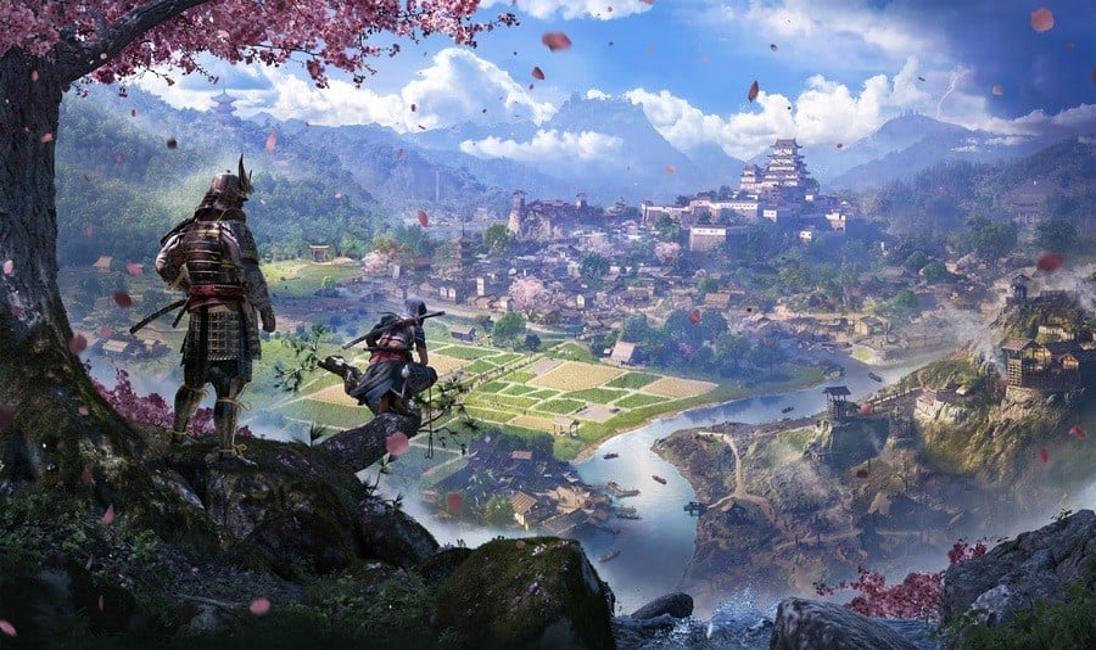
Alright, let's talk Assassin's Creed Shadows. And, yes, we need to address the elephant in the room: microtransactions. I know, I know – the very word probably made you roll your eyes so hard you nearly saw your brain. But hear me out, because the way Ubisoft is positioning this feels, dare I say, cautiously optimistic. Or, at least, potentially less awful than we might fear.
The game is promising some huge updates down the line – content drops, expansions, the works. And those things cost money, of course. We, as gamers, often want a continuous stream of content. But here's the thing: developing high-quality content isn't exactly free. Think about it: detailed environments, compelling storylines, new gameplay mechanics – all that requires a team of talented (and, you know, paid) developers. The question is, how do you fund that ongoing support without locking half the game behind a paywall?
One solution, seemingly, is the strategic use of microtransactions. Now, before you reach for the pitchforks, it’s important to understand how they're implemented. Are we talking pay-to-win scenarios where you can buy your way to the top? Or are we talking about cosmetic items and time-savers for those who want them? There's a HUGE difference. A game like Assassin's Creed Shadows teetering towards the former would be a disaster.
The Lesser of Two Evils? Microtransactions vs. Season Passes
Okay, here's where things get interesting. I've been pondering this, and I think it’s worth considering microtransactions as an alternative to the traditional season pass model. Think about it: season passes often lock significant content behind a paywall, dividing the player base. Not cool. Microtransactions, if done right, can provide a revenue stream without forcing players to shell out for content they might not even want. For example, I'm not keen on base building so something like that would be wasted on me. But I would pay a small price for a cool outfit.
But it's a tightrope walk, isn't it? I mean, a really tight one. You’ve got to balance the need for revenue with the desire to maintain a fair and enjoyable experience for all players. The frustrating thing about this whole topic is that there's no one-size-fits-all answer. Each game is different, each community has different expectations, and each implementation of microtransactions has its own set of pros and cons. The model needs to respect the player. Otherwise, it's all over.
I was reading Wikipedia recently and it highlighted so much interesting info about the use of microtransactions - worth a read if you are interested in this topic.
Cosmetics vs. Pay-to-Win: The Line in the Sand
Let me be crystal clear: the line in the sand is pay-to-win. If microtransactions give players a significant competitive advantage, then the game is fundamentally broken. No amount of cool outfits or fancy emotes can make up for that. I think this is something most gamers can agree on. But, where the line becomes blurred is when we start talking about time-savers. Are they really that bad? Well, it depends. If they allow you to skip tedious grind, then maybe they're not the end of the world. But if they allow you to bypass core gameplay mechanics, then we're venturing into dangerous territory. It's about the experience and that needs to be valued.
And let's not forget the psychological aspect of microtransactions. Game developers are experts at exploiting our brains' reward systems. Those little dopamine hits we get from unlocking a new item or completing a challenge? They're addictive. And companies know it. That's why it's so important to be mindful of our spending habits and to set limits for ourselves. Otherwise, it's too easy to fall into the trap of chasing that next reward, even if it means spending more money than we intended.
Maintaining Game Balance
The key here is balance. If the base game feels incomplete or grindy without microtransactions, then something has gone horribly wrong. The game should be fun and engaging on its own, without requiring players to spend extra money. Microtransactions should be a supplement to the experience, not a replacement for it.
But here's a thought: what if microtransactions could actually enhance the game in some way? What if they could fund new content, support ongoing development, and keep the game alive for years to come? It's a nice idea, isn't it? In reality, this is what we are all hoping for. Whether this plays out remains to be seen. Also, don't forget that games themselves can come in one shot adventures.
Assassin's Creed Shadows: A Hopeful Outlook?
So, where does that leave us with Assassin's Creed Shadows? Well, it's too early to say for sure. We'll have to wait and see how Ubisoft implements microtransactions in the game. But if they can strike the right balance – if they can offer cosmetic items and time-savers without compromising the core gameplay experience – then maybe, just maybe, microtransactions won't be the end of the world. Maybe they'll even help to support major future updates and keep the game alive for years to come.
FAQ: Microtransactions and Assassin's Creed Shadows
Will Assassin's Creed Shadows be pay-to-win?
That's the million-dollar question, isn't it? Ubisoft hasn't explicitly stated their plans for microtransactions, but the community is definitely on high alert. If the game veers into pay-to-win territory, expect a swift and furious backlash. Most of us are hoping for cosmetic items and optional time-savers, not gameplay advantages that can be bought with real money.
How do I know if I'm spending too much on microtransactions?
Good question! It's easy to get caught up in the moment and lose track of your spending. A good rule of thumb is to set a budget for yourself and stick to it. Also, pay attention to how you feel when you spend money on microtransactions. Are you doing it because you genuinely enjoy the item, or are you feeling pressured to keep up with others? If it's the latter, it might be time to take a break.
Are microtransactions always a bad thing?
Not necessarily! When implemented thoughtfully, they can provide a revenue stream that supports ongoing development and keeps the game alive for years. The problem is, many companies prioritize profit over player experience. So, it's up to us, as consumers, to be mindful of how we spend our money and to hold developers accountable for their choices.
Why are microtransactions so common in modern games?
It really comes down to economics. Game development is expensive, and companies are always looking for ways to maximize their profits. Microtransactions offer a recurring revenue stream that can supplement traditional game sales. And, let's face it, they can be incredibly lucrative when done right (or, perhaps more accurately, when done cleverly).
Ultimately, the success of microtransactions in Assassin's Creed Shadows will depend on Ubisoft's ability to listen to the community and to prioritize player experience over profit. Only time will tell if they can strike the right balance. But I, for one, am cautiously optimistic. Maybe, just maybe, they'll surprise us all.