

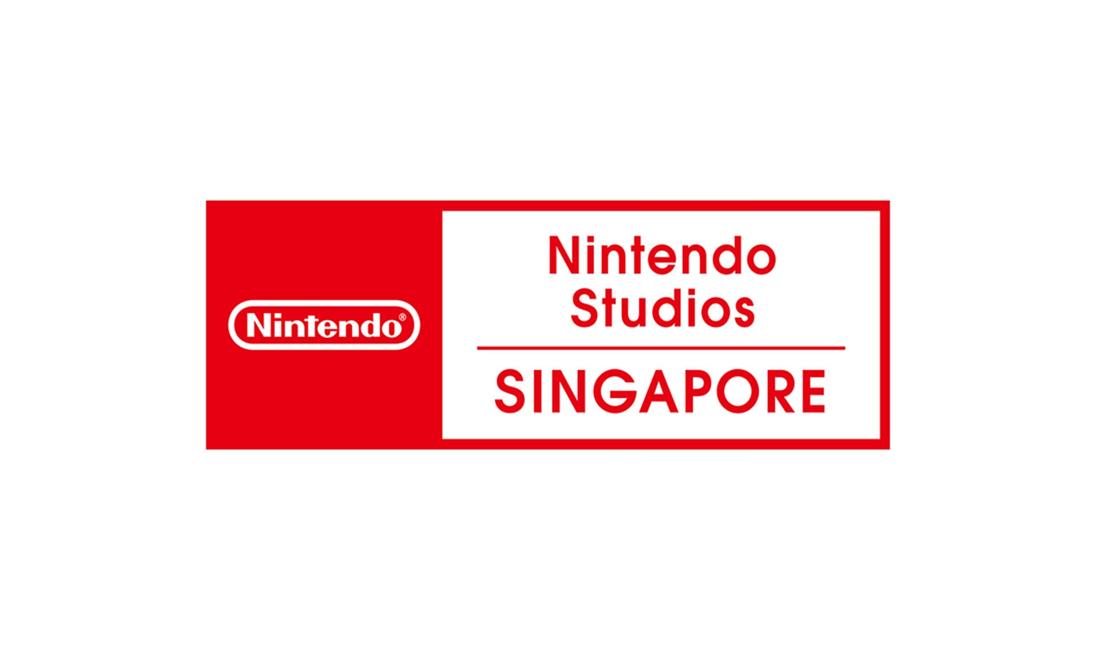
Okay, let's talk about something wild. Nintendo, the company that practically raised me on a diet of Mario and Zelda, just did something pretty unexpected. They've acquired Bandai Namco Singapore, and rebranded it as Nintendo Studios Singapore. Acquisition? More like a power move, if you ask me. I mean, Bandai Namco is no small fry. They’ve been instrumental in development for Nintendo for years. I remember spending hours playing Astro Bot on PlayStation. Wait, wrong company! Still, that’s how big Bandai Namco is.
Why Singapore? And Why Now?
Singapore is becoming a real hub for game development. Plenty of talent, a supportive government... it's a smart place to set up shop. But the “why now” part is what really gets my brain churning. Is Nintendo beefing up its mobile development? Are they looking to tap into new markets in Southeast Asia? Or is it something even bigger? Actually, scratch that. It’s PROBABLY several things all rolled into one delicious burrito of corporate strategy.
Let me try to explain it more clearly. Nintendo's been traditionally... cautious. They don't just jump into bed with everyone. They're like that friend who only dates people they've known for years. So, for them to make such a direct acquisition says something. It suggests they're not just outsourcing or co-developing; they want full control. Which, frankly, makes me even more curious.
What Does This Mean for Gamers?
Here's the million-dollar question, isn't it? What does this acquisition actually mean for us, the people who spend our hard-earned cash on Nintendo games? Will we see a flood of new IPs? More experimental titles? Or simply a more efficient development pipeline for existing franchises? I initially thought it would be the latter, but I’m not so sure anymore.
The thing is, Nintendo doesn't do anything without a reason. And while they might not always be the most transparent company, they generally have a long-term vision. So, I'm betting this isn't just about saving a few bucks on development costs. This feels like a strategic play to position themselves for the future. Maybe they want a larger slice of the mobile gaming pie (goodness knows that’s lucrative), or maybe they’re focusing on AR or VR? The possibilities are really exciting. And a little scary, to be honest. I've got to admit, this part fascinates me.
Bandai Namco's Legacy & Nintendo's Future
Bandai Namco Singapore, before it became Nintendo Studios Singapore, was a pretty significant player in the region. They worked on some HUGE titles. I’m not just talking mobile games either (though those were a part of it too). We're talking AAA console games. And now, all that expertise is under the Nintendo umbrella. COD Mobile is proof that mobile games are constantly evolving to be console-esque.
But – and this is a big but – Nintendo has a very distinct culture. Will they allow Nintendo Studios Singapore to maintain its own identity, or will they try to mold it into something more… Nintendo-like? It’s a question that has me thinking about corporate culture and how creative talent functions in different environments. It's a delicate balance, and I hope Nintendo handles it well.
And here's another thought: could this acquisition lead to more collaborations between Nintendo and other studios in Southeast Asia? It's not out of the realm of possibility. Nintendo could use Nintendo Studios Singapore as a bridge to tap into the region’s talent pool. I'm just spitballing here, but the idea of Nintendo partnering with smaller, indie studios in the region is something that I can get behind.
Speaking of collaborations, you might be wondering about the other side of this coin. What does Bandai Namco get out of it? Well, for starters, they get to continue working on Nintendo games. And that’s a pretty sweet gig. Plus, they get access to Nintendo's resources and expertise. It's a win-win, really. You see, Bandai Namco is one of the greatest and most popular game developers and publishers of all time. You can learn more about the company here. They get a lot of fame for some of the greatest titles ever created.
FAQ: Your Burning Questions Answered
Why did Nintendo acquire Bandai Namco Singapore in the first place?
That's the million-dollar question, isn't it? While Nintendo hasn't explicitly stated their reasons, the general consensus is that they're looking to expand their development capabilities, particularly in Southeast Asia. Singapore is a hub for gaming talent, and acquiring an established studio like Bandai Namco Singapore gives them a significant foothold in the region. Plus, it allows them to have more direct control over development processes.
Will this acquisition lead to better Nintendo games?
Hopefully! More resources and expertise under the Nintendo banner should, in theory, lead to higher-quality games. But it's not a guarantee. It all depends on how Nintendo manages the acquisition and integrates Nintendo Studios Singapore into their existing development structure. We’ll have to wait and see.
Is this related to Nintendo's mobile gaming strategy?
It's definitely a possibility. Nintendo has been dabbling in mobile gaming for years, but they haven't quite cracked the code yet. Acquiring a studio with experience in mobile development could help them create more compelling and successful mobile games. The mobile market is huge, and it’s probably smart for Nintendo to want a larger share of it.
Could this mean more games developed outside of Japan for Nintendo?
Absolutely! Nintendo has traditionally relied heavily on Japanese developers. This acquisition signals a willingness to diversify and tap into talent from other regions. This could lead to a wider range of game styles and perspectives in Nintendo's future lineup.
How does this affect Bandai Namco?
Ultimately, this could be good for Bandai Namco. They retain a working relationship with Nintendo and can potentially benefit from the resources and creative environment that Nintendo provides. Bandai Namco continues to be one of the most prolific companies to ever do it.
How will this acquisition affect me, the average gamer?
That's the big question! In the short term, probably not much. But in the long term, this could lead to a more diverse and innovative lineup of Nintendo games. So, keep your fingers crossed and stay tuned!