


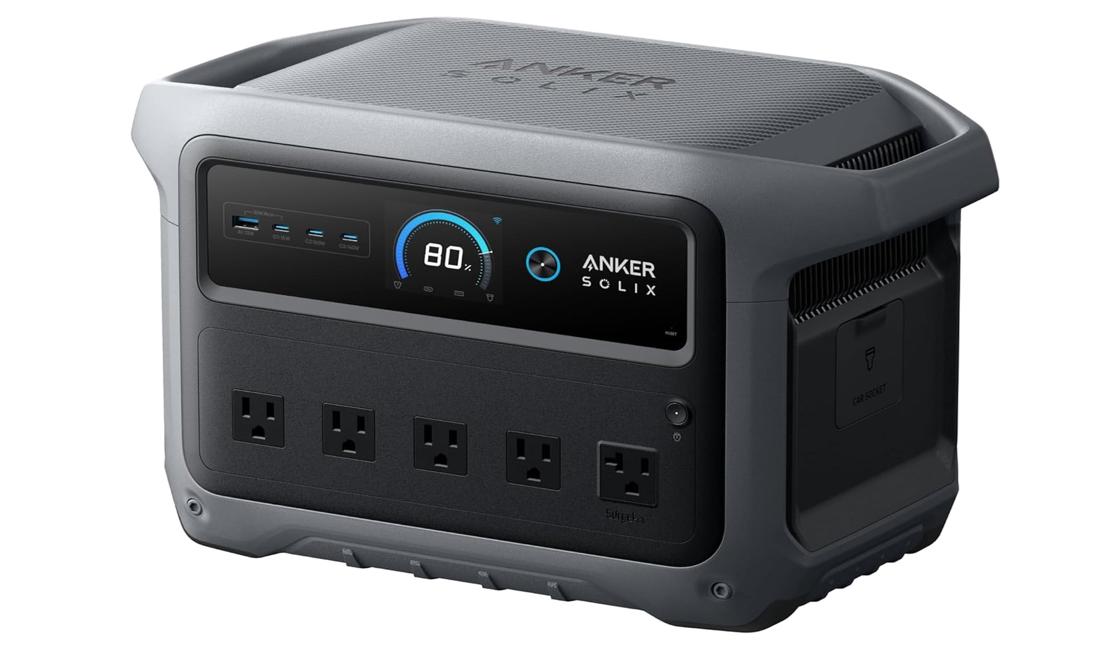
Okay, let's talk about power stations. And not just any power stations, but the Anker Solix 2000W Power Station. Because things are getting interesting. You see, there's a bit of a shakeup happening in the portable power world, and Anker's playing a big role. Forget incremental improvements; this feels like a zero-margin pricing strategy aimed squarely at disrupting EcoFlow and Jackery. Bold move, right?
I initially thought, "Another power station, what's the big deal?" But after digging into the specs and, more importantly, the price, I realized something significant is happening. This isn't just about offering another option; it's about aggressively undercutting the competition to grab market share. And as someone who's followed this space for a while, I've got to admit, this part fascinates me.
The Zero-Margin Gamble: How Anker Changes the Game
The thing about power stations is, for a long time, the market has been dominated by a couple of big names. EcoFlow and Jackery have been the go-to choices. They offer solid products, sure, but their pricing has always felt... premium. Enter Anker, not exactly a newcomer to the power game, but definitely a challenger brand in this specific niche. They're coming in hot with a 2000W power station at a price point that makes you raise an eyebrow. Why? Because it's close to what others charge for smaller capacity units. This strategy is not new, but its impact can cause tectonic shifts. Let me try to explain this more clearly. A zero-margin approach means Anker is willing to sacrifice significant profit on each unit sold, or at least delay that profit, to build volume and establish dominance. It's a gamble, for sure, but it could pay off big time.
Think about it this way: If you're a consumer looking for a power station, and you see two options with similar specs, but one is significantly cheaper... which one are you likely to choose? Price isn't everything, of course. But it's a major factor for most people.
Beyond Price: What Makes the Anker Solix 2000W Worth Considering?
Now, I know what you're thinking: "Okay, it's cheap(er), but is it any good?" Fair question. Because a low price doesn't mean much if the product is junk. And here's where things get interesting. Anker isn't skimping on features. The Solix 2000W boasts a solid capacity, decent output, and a reasonable array of ports. It's not reinventing the wheel, but it's hitting all the key specs that matter. I keep coming back to this point because it's crucial. It can power multiple devices, can handle higher surge loads.
But, there’s more to it than just that. The real benefit comes from its usability. What is the point in a power station if it does not serve its core objective. For instance, I remember when I went camping and having to choose between charging my phone or keeping a light on. But that should not be a thing.
EcoFlow and Jackery: Responding to the Pressure
So, what are EcoFlow and Jackery doing in response to this? That's the million-dollar question. They can't just sit back and ignore Anker's aggressive pricing. My guess is we'll see some combination of price cuts, new product launches, and increased marketing efforts. Actually, that's not quite right... I suspect they'll focus more on highlighting features and brand reputation to justify their higher prices. The frustrating thing about this topic is, It's a classic market battle playing out in real time, and it's fascinating to watch. And as highlighted in Porter's Five Forces, competitor analysis is an import aspect in a competitive market.
But it goes beyond just pricing. The consumer wins with a range of options.
Power Station Practicality: Who Benefits Most?
Who benefits most from these portable power stations? Well, lots of people. Campers, tailgaters, homeowners looking for backup power during outages, and even professionals who need reliable power on job sites. The versatility of these devices is remarkable. You can use them to run power tools, charge laptops, keep medical devices running, or simply power a string of lights for a backyard party. The possibilities are endless. Wait, there's something even more interesting here... the increasing adoption of solar panels. Pairing a power station with solar panels creates a truly portable and sustainable power solution. Now you’re self-sufficient!
And, you might be wondering about the longevity of these devices. That's a valid concern, especially with lithium-ion batteries involved. Anker, EcoFlow, and Jackery all offer warranties, but it's important to read the fine print and understand the limitations. Generally, you can expect several years of reliable service from a quality power station, but proper care and storage are crucial. I remember when this approach first emerged. It was all expensive, but with time, the price went down. There have been other changes too, so the price changes don't come as a shock.
FAQ: Your Power Station Questions Answered
How do I know if the Anker Solix 2000W Power Station is right for my needs?
The best way to determine if a power station fits your needs is to think about what you plan to power with it. Make a list of your devices and their wattage requirements. Add up the total wattage, and then choose a power station with a capacity that exceeds that total. Consider future needs as well – you might want to power more devices down the road. For example, the Anker Solix 2000W is a good option for running multiple appliances for a prolonged time.
What's the difference between a power station and a generator?
Good question! Power stations are battery-powered and silent, making them suitable for indoor use. Generators typically run on gasoline or propane and produce fumes, limiting their use to outdoor environments. Power stations are generally more portable and require less maintenance than generators. However, generators can often provide higher power output and run for longer periods. You see, they both have their pros and cons. Think about your use case and select accordingly.
Is a power station a worthwhile investment?
That depends on your priorities. If you value portability, silent operation, and eco-friendliness, then a power station can be a great investment. It provides peace of mind during power outages and allows you to enjoy the convenience of electricity in remote locations. I've found mine invaluable for camping trips and backyard gatherings.
Are there any safety concerns with using a power station?
Yes, like any electrical device, it's important to use power stations safely. Avoid overloading the power station, and never operate it in wet conditions. Use only the charging cables and adapters that came with the power station, and store it in a cool, dry place. Always follow the manufacturer's instructions.
So, there you have it. Anker's zero-margin pricing strategy is shaking up the power station market. It's creating more competition, which ultimately benefits consumers. Whether you're a seasoned outdoor enthusiast or simply looking for backup power at home, now's a great time to explore the options available. And who knows, maybe this disruption will lead to even more innovation and affordability in the future.