

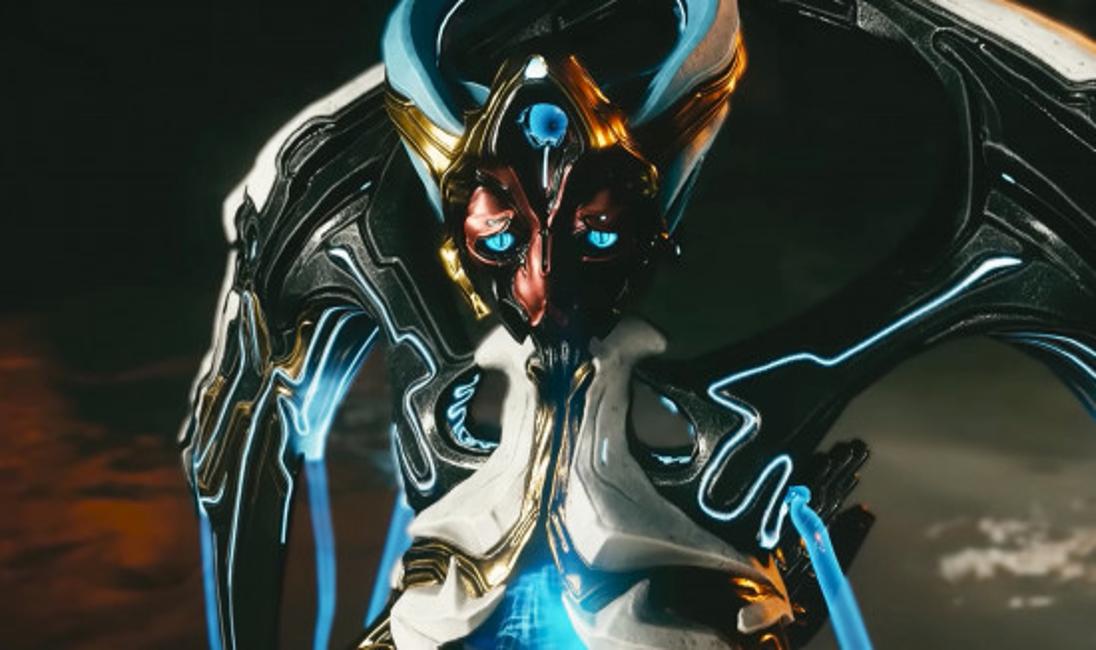
Warframe. It's more than just a free-to-play looter shooter with space ninjas. It's a constantly evolving world, a canvas for Digital Extremes to experiment with narrative and gameplay. But here's the thing: amidst all the updates and open-world expansions, one particular era stands out for me: 'The Old War', and it's the closest Warframe gets to feeling like a Souls game. Yes, really.
Now, you might be thinking, "Wait, Warframe? That game where you're constantly flipping around and shooting hordes of enemies? How could that possibly be like Dark Souls?" I get it. On the surface, they seem miles apart. But stick with me.
See, 'The Old War', specifically as its explored through quests like 'The Second Dream' and 'The War Within,' delves into the history of the Tenno, their warframes, and their struggle against the Sentients. And this, my friends, is where things get interesting. The lore, the atmosphere, the feeling of being a small piece in a much larger, much more tragic conflict – it all resonates with that distinct Soulslike flavour.
The Lore: A World Steeped in Tragedy
Let's talk about the lore. Dark Souls is famous for its cryptic storytelling, its world-building through item descriptions and environmental details. Warframe, especially during 'The Old War' segments, does something similar. You're not spoon-fed the entire history. You uncover it through fragments, through echoes of the past. The Orokin Empire, with its opulent architecture and brutal practices, is a fascinatingly flawed society. Their hubris, their desperation to control the Void, ultimately led to their downfall. Sound familiar? Many Souls-like games have a similar concept of a once glorious civilization destroyed by it's own actions.
But it's not just the broad strokes of the lore; it's the details. The Sentients, these self-replicating machines, were created to colonize other star systems. But they adapted, they evolved, and they turned against their creators. The Tenno, children who gained incredible power through the Void, became the only weapon against them. But at what cost? The Tenno are viewed with suspicion. Their power feared. And their past shrouded in mystery. I feel like that's what makes this game stand out from most. Warframe gives players a glimpse into the past, showing the horrors of the Old War and the sacrifices that were made.
Atmosphere and World Design
The environments during 'The Old War' quests are starkly different from the usual Warframe fare. The Orokin Towers, with their gilded surfaces and decaying grandeur, evoke a sense of both wonder and dread. The Void, a dimension of pure energy and unpredictable chaos, is visually stunning and deeply unsettling. It's in these spaces that Warframe truly shines, creating an atmosphere that's both beautiful and haunting.
And it’s not just the visuals. The sound design, the music, the voice acting – it all contributes to the overall feeling of unease and melancholy. When you first encounter the Lotus in the Second Dream, there's a sense of vulnerability and desperation that's rarely seen elsewhere in the game. You begin to understand the weight of her responsibility, the burden of guiding the Tenno through a galaxy teetering on the brink of destruction. Movement glitches can sometimes ruin the experience, but the overall atmosphere more than makes up for it.
Plus, the enemies during these quests are significantly more challenging. The Sentients, with their ability to adapt to your damage types, force you to think strategically. You can't just rely on your usual loadout and expect to breeze through everything. You have to adapt, experiment, and learn their weaknesses. Again, that’s pretty Souls-like if you ask me.
'1999' and Digital Extremes' Creative Bravery
Now, let's talk about '1999'. This isn't strictly part of 'The Old War', but it demonstrates Digital Extremes' willingness to take risks and experiment with different genres. '1999' is a standalone expansion set in a normal suburban area where a warframe like creature roams around trying to hurt the inhabitants. It completely throws away the established Warframe formula in favour of something new and exciting. Not all of these risks pay off, but the fact that Digital Extremes is willing to take them is commendable. It shows a desire to push the boundaries of what Warframe can be, to evolve beyond its initial premise. I think it's really cool that they try something different and that's why they stand out from other game developers. This kind of creative courage benefits Warframe in general.
Think about it this way: Dark Souls became so influential because it dared to be different, to challenge players in ways that other games didn't. Warframe, in its own way, is doing the same thing. It's constantly evolving, constantly experimenting, and constantly pushing the boundaries of what a free-to-play game can be. It also has a very deep storyline that makes this game one of the best free-to-play games to date. And it goes to show this game has a lot of potential and will continue to grow more and more. I just hope they don't put pay-to-win mechanics in it so that it's a fair experience for new players.
The Story is What Catches Your Eye
Ultimately, what makes 'The Old War' in Warframe feel Soulslike is the story it tells. It's a story of loss, of sacrifice, of the corrupting influence of power. It's a story that resonates with the same themes of despair and resilience that permeate the Souls games. You're not just a space ninja flipping around and shooting things; you're a survivor, a relic of a bygone era, fighting to protect a future that may never come. And that, my friends, is a story worth telling. Maybe that’s why I keep coming back to Warframe. It's a universe I want to know better. New server events and updates keep things fresh, but the underlying lore is what truly captivates.
I initially thought the comparison might be a stretch, but after diving deeper into the lore and atmosphere, I'm convinced: 'The Old War' is Digital Extremes' most Soulslike endeavour. It's a testament to their creative vision, their willingness to take risks, and their ability to create a universe that's both engaging and thought-provoking.
FAQ: Delving Deeper into Warframe's Lore
How do I experience 'The Old War' content in Warframe?
To dive into 'The Old War' narrative, you'll primarily want to focus on completing the main story quests. These include 'Natah', 'The Second Dream', and 'The War Within'. These quests delve into the history of the Tenno and their connection to the Orokin Empire, the Sentients, and the Old War itself. Progressing through these quests will unlock cinematic sequences, new environments, and deeper insights into Warframe's lore. Keep an eye on your Codex for quest availability and requirements. Also, it's wise to level up your warframes and weapons before attempting these, as the enemies can be quite challenging.
Why does Warframe sometimes feel so different from other looter shooters?
Warframe distinguishes itself through its deep lore, complex movement system, and emphasis on player customization. Unlike many looter shooters that focus primarily on grinding for loot, Warframe weaves a rich narrative tapestry, exploring themes of sacrifice, identity, and the consequences of war. The game's parkour-inspired movement system adds a unique layer of verticality and agility to combat, while the extensive customization options allow players to tailor their warframes and weapons to their preferred playstyles. Digital Extremes is trying to do something new and unique that makes Warframe so different from other looter shooters on the market.
Is Warframe truly free-to-play, or is it pay-to-win?
Warframe operates on a free-to-play model, but it avoids the pitfalls of being pay-to-win. While you can purchase Platinum (the in-game currency) to speed up progress or acquire cosmetic items, nearly everything in the game can be earned through gameplay. Warframes, weapons, and mods can all be acquired by completing missions, defeating enemies, and crafting blueprints. The key is patience and persistence. So if you are willing to put in the time and effort, Warframe is not pay-to-win.
What's the biggest misconception about Warframe's story?
A common misconception is that Warframe's story is secondary to its gameplay. While the gameplay is undeniably engaging, the narrative is rich and complex, delving into the history of the Orokin Empire, the Sentient War, and the origins of the Tenno. The story is not just an afterthought but is woven into the very fabric of the game, driving player motivation and providing context for their actions.