

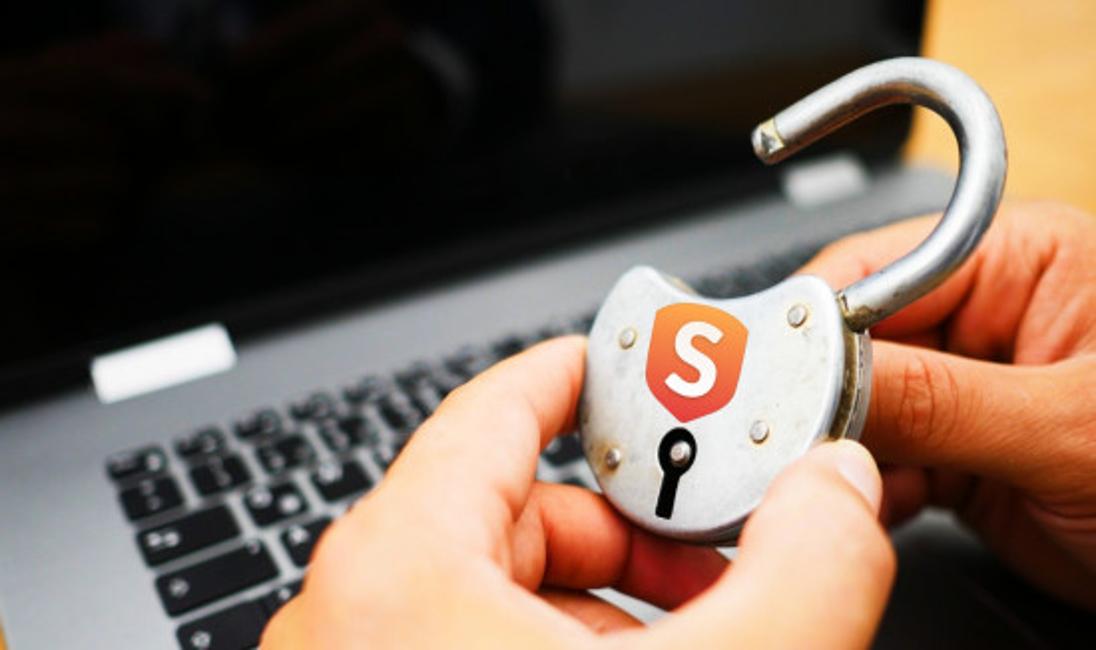
Okay, let's talk about SonicWall. Specifically, the SonicWall breach. It's more than just a tech story; it's a blinking neon sign pointing at a fundamental truth about cybersecurity: even the fanciest firewalls and VPNs are only as strong as the humans using them. And, well, humans make mistakes. We click on things we shouldn't, use weak passwords (guilty!), and sometimes just…don’t follow protocol. I've got to admit, this is the part that fascinates me – not the technology failing, but the human element.
Think about it: A multi-million dollar security system can be undone by a single, preventable error. It's like building a fortress with a revolving door made of popsicle sticks. Frustrating, right? And that’s exactly why this SonicWall hack hits differently. It highlights the urgent need for a holistic approach to security, one that prioritizes not just technology, but also training and awareness.
The Human Factor in the SonicWall Breach
Now, I'm not here to point fingers. We all mess up. The point is, we need to build defenses that account for those inevitable slips. The SonicWall breach, in many ways, was a perfect storm. Sophisticated malware bypassed technical defenses, sure, but it was the opportunity created by human error that allowed the breach to escalate. Phishing attacks that seemed legitimate, unpatched vulnerabilities, or even just a moment of carelessness – these are the cracks in the armor that hackers exploit.
And here's something even more interesting: it's not always about malice. Sometimes, it's about convenience. People choose easy-to-remember passwords because, well, they're easy to remember! They skip software updates because they're in the middle of something important. I get it. We all do. But these small compromises can have huge consequences. Which brings us to VPNs. Virtual Private Networks. They’re supposed to be our digital protectors, right? Encrypting our data and shielding us from prying eyes. But what happens when the VPN itself becomes the target?
That's what the SonicWall breach underscored: the inherent vulnerabilities in even the most trusted security tools. But there's a twist! I initially thought the problem was solely the VPN software, but that’s not quite right. It's the way we use (or misuse) these tools that often leads to trouble.
But, lets talk about gaming, specifically console gaming - as a user, would you rather use a wired or a wireless connection and why? Feel free to drop a message in the chat to connect with me.
VPNs: A False Sense of Security?
Here's the thing: a VPN, even a top-tier one, isn't a magic bullet. It doesn't automatically make you immune to cyber threats. It's a tool, and like any tool, its effectiveness depends on how it's used. If you're using a weak password on your VPN account, or if your device is already infected with malware, the VPN isn't going to save you. It’s like wearing a bulletproof vest made of cardboard. And that cardboard box gives you a false sense of safety.
Plus, many people don't fully understand how VPNs work. They assume that simply turning on the VPN is enough to protect them, without realizing that they also need to be careful about which websites they visit and which links they click. The Cybersecurity and Infrastructure Security Agency provides excellent resources on staying safe online.
Building a Human-Proof Security System (Almost)
So, what's the solution? How do we create a security system that's more resilient to human error? Well, it's not about eliminating human error entirely – that's impossible. It's about mitigating the risks. Here's a few key points:
- Strong Passwords and Multi-Factor Authentication: This one's obvious, but it's worth repeating. Use strong, unique passwords for all your accounts, and enable multi-factor authentication whenever possible. Seriously, do it now.
- Regular Security Training: Educate your employees (and yourself!) about the latest cyber threats and how to avoid them. Phishing simulations can be surprisingly effective.
- Vulnerability Management: Keep your software up to date, and patch any known vulnerabilities as soon as possible. This includes your operating system, your applications, and your VPN software.
- Incident Response Plan: Have a plan in place for what to do if a breach occurs. This will help you minimize the damage and recover more quickly.
- Embrace Zero Trust: The “Zero Trust” model is based on the principle of "never trust, always verify." It assumes that threats can come from both inside and outside the network, and it requires strict identity verification for every user and device trying to access resources.
And also, another thing, steam is one of the platforms with most users online and having the option to switch accounts quickly will increase user satisfaction and ultimately, improve the user overall experience.
FAQ: SonicWall Security in a Risky World
How do I know if my SonicWall device has been compromised?
Good question! Start by checking SonicWall's security advisories for indicators of compromise (IOCs) related to known attacks. Look for unusual network activity, suspicious log entries, and any unexpected system changes. If you’re not sure, contact SonicWall support or a qualified cybersecurity professional for assistance. Ignoring potential issues isn't an option; proactive monitoring is key.
Why are VPNs still important if they can be vulnerable?
VPNs aren't obsolete; they're a layer of defense. They still encrypt your traffic, making it harder for eavesdroppers to intercept your data, especially on public Wi-Fi. The key is to use them wisely – strong passwords, up-to-date software, and awareness of phishing attempts. Think of it as wearing a seatbelt – it doesn't guarantee you won't get hurt in a car accident, but it significantly reduces the risk.
What's the biggest mistake people make with VPN security?
I'd say the biggest mistake is relying solely on the VPN without practicing other good security habits. People think turning on the VPN is like activating a magic shield, but it's not. You still need to be careful about the websites you visit, the links you click, and the software you install. VPNs are just one piece of the puzzle, not the whole picture.
Is the SonicWall breach a reason to ditch SonicWall products?
Not necessarily. Every security vendor experiences vulnerabilities at some point. The important thing is how they respond to the breach. Did they quickly release patches? Are they transparent about the issue? Have they taken steps to prevent similar incidents in the future? Judge them on their response, not just the fact that a breach occurred. But, of course, consider all options before making a decision.
The SonicWall breach wasn't just a wake-up call for SonicWall users; it was a wake-up call for all of us. It's a reminder that cybersecurity is a team sport, and that the weakest link in the chain is often…well, us. So, let's embrace our fallibility, learn from our mistakes, and build a more resilient security system together. One that prioritizes both technology and the human element.